Top 5 Trees Most Recommended for Residential Properties
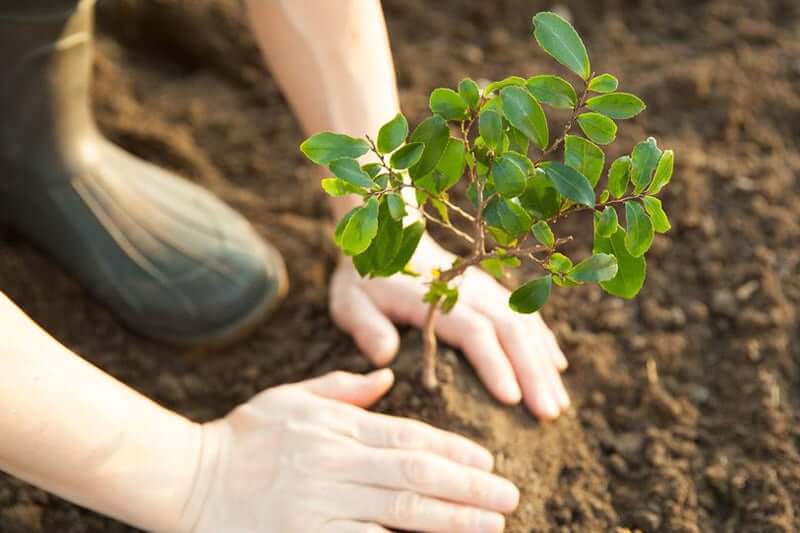
Trees add to the curb appeal of a home or garden. It also plays a vital role to the health of the ecosystem and the environment in general. That is why if it’s permitted, you should consider planting trees in your residential property. But of course, there are only certain types of Growing trees that you can plant. Look at the list below the trees recommended for residential properties.
- Dogwood Tree
In the spring, the dogwood tree blooms with beautiful white and pink flowers. That is why this makes a popular choice for home landscaping. These trees are the most recommended for smaller properties. They slowly and can reach heights of only 20 to 30 feet. In addition, dogwood trees are easy to take care of and need little to no maintenance.

- Japanese Maple Tree
Japanese Maple trees are a popular choice for residential properties. Simply because of their unique, lacy leaves and beautiful colors especially in the fall. When full-grown, these trees can reach a height of about 20 feet. The Japanese Maple tree is a great choice for both large and small residential properties. Some homeowners use it as a focal point of their garden. While others use maple trees as a border plant.
- Oak Tree
Oak trees are often used as landscape features on private estates. They are big, strong, and last a long time when properly cared for and maintained. They grow slowly and can get up to 100 feet tall. That is why even after decades, these trees will still stand strong and tall. They will be enjoyed by future generations. Oak trees also provide the best shade providing air cooling benefits in the summer.
- Red Maple Tree
A Red Maple is a tree that can grow up to 70 feet tall. And unlike the others, this grows very quickly. They are very pretty during fall as the leaves turn a bright red color. It is one of the best choices for homeowners who want to make it a focal point of their yard or garden. These types of trees are not difficult to maintain as they can grow well in a wide range of soil and temperature conditions.
- Weeping Cherry Tree
If you are looking for a small decorative tree, then the Weeping Cherry is the perfect choice. With branches that hang down, they provide the best shade for home gardens. The gracefully drooping branches of the tree add a sense of elegance to the place. It gives beautiful pink or white flowers when they are blooming in spring. Also, these trees usually grow to be between 15 and 25 feet tall.
Selecting the right trees for your garden or yard can greatly enhance its beauty and value. The above suggestions are just some of the many trees that you can plant on your residential property. Yet it is important to consider the tree’s growth rate, the size, and its compatibility with your climate. Having trees around you can create a beautiful and sustainable landscape.